Mar 16, 2026
Journals
Meeting Rooms Nobody Books: The Real Problem Isn't the Furnitu
Meeting rooms in office spaces
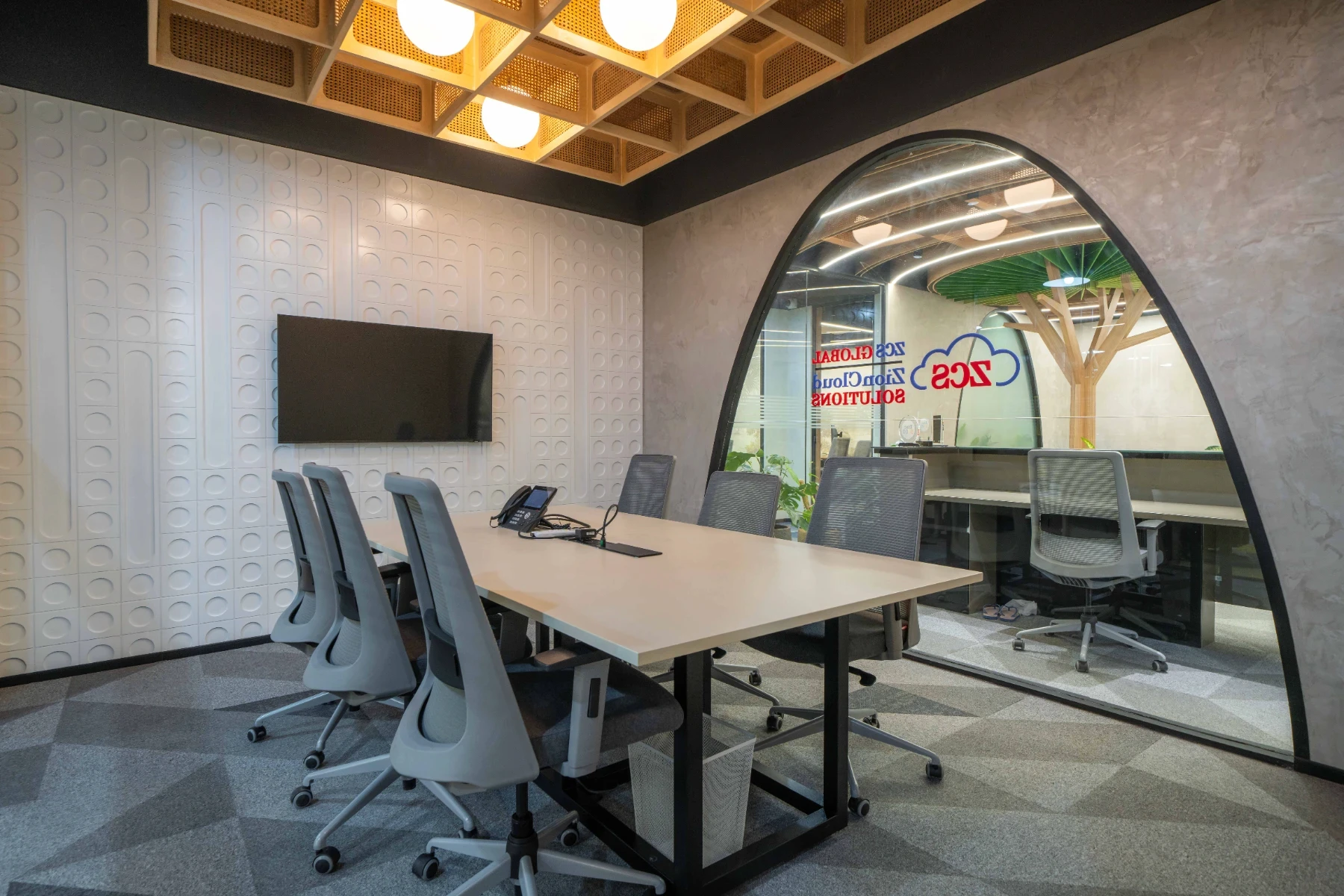
You invested in a beautiful 12-seater boardroom. Glass walls, designer table, good chairs, AV setup.
It sits empty 80% of the time.
Meanwhile, your team huddles in the breakout area, books tiny phone booths for team calls, and complains there's never space available.
The furniture isn't the problem. The thinking is.
What We See in Workspaces
The Classic Mistake: One large boardroom (10-14 people) and maybe two small meeting rooms (4-6 people).
What Actually Happens:
Daily team standups: 3-4 people
Client calls: 2-3 people
Project discussions: 4-5 people
Quick syncs: 2 people
Most meetings don't need 12 seats. But booking a huge room for 3 people feels wasteful, so teams avoid it.
The Size Problem
What doesn't work: Designing for the occasional all-hands meeting instead of daily reality.
What works: Multiple smaller rooms over one large one.
The ratio we use: For every 20-25 people:
2-3 small rooms (2-4 people)
1-2 medium rooms (6-8 people)
1 larger space (10+ people) only if actually needed
Small rooms book constantly. Large rooms sit empty.
The Location Problem
What doesn't work: Clustering all meeting rooms in one corner.
What works: Distributing them near where teams actually sit.
If your sales team is on the east side and meeting rooms are on the west, they'll find other solutions. Proximity matters more than you think.
The Technology Problem
What doesn't work: Complex AV systems that need IT support to operate.
What works: Simple, reliable tech:
One-click screen sharing
Good webcam and speakers (for hybrid calls)
Wireless presentation (no hunting for cables)
Clear instructions visible in the room
If it takes 5 minutes to get the screen working, people stop using the room.
The Visibility Problem
What doesn't work: Solid doors or unclear booking systems.
What works: Glass walls with privacy film at eye level. People can see if a room is occupied without opening doors or checking calendars.
Digital booking displays outside each room showing:
Current status (free/occupied)
Next booking time
Quick-book option for drop-ins
The Acoustic Problem
What doesn't work: Glass boxes with no sound treatment. Beautiful but everyone outside hears everything.
What works:
Acoustic panels on at least one wall
Carpet or acoustic flooring
Soft furnishings (not just hard surfaces)
Proper door seals
Meeting rooms should contain sound, not showcase it.
The Comfort Problem
What doesn't work: Formal boardroom setup for every meeting type.
What works: Different rooms for different needs:
Quick sync rooms: Standing-height tables, no chairs. 15-minute max meetings.
Working sessions: Comfortable seating, writable walls, space to spread materials.
Client meetings: More formal setup, good lighting for video calls.
Creative sessions: Flexible furniture, large whiteboard walls, casual seating.
The Booking Problem
What doesn't work: No booking limit. Someone books the room all day "just in case."
What works:
Maximum booking duration (2 hours for most rooms)
Auto-release if no-show after 10 minutes
Easy rebooking if you need more time
Visible calendar so people can plan
The Lighting Problem
What doesn't work: Overhead fluorescents only. Harsh for video calls, terrible for presentations.
What works: Layered lighting:
Adjustable overhead (bright for working, dimmed for screens)
No windows behind where people sit (ruins video calls)
Front lighting for video participants
The "Why Isn't This Working" Checklist
Your meeting rooms sit empty when:
✗ They're sized for events, not daily meetings ✗ They're far from where teams actually work
✗ Tech setup is complicated ✗ You can't tell if they're free without checking a calendar ✗ Sound bleeds into the workspace ✗ They feel too formal for casual discussions ✗ Booking system is clunky ✗ Lighting doesn't work for hybrid calls
Quick Fixes for Existing Spaces
Can't add more rooms? Divide one large room with movable partitions. Two 6-person spaces get more use than one 12-person room.
Tech issues? Replace complex systems with simple: wireless screen share dongles, good USB speakerphones, clear instructions laminated on the table.
Booking chaos? Implement room booking displays and auto-release for no-shows.
Acoustic problems? Add wall panels, acoustic ceiling tiles, or heavy curtains. Quick improvements without construction.
What Actually Works
Meeting rooms get used when they:
Match actual meeting sizes (mostly small)
Are easy to find and book
Have tech that works instantly
Feel right for the conversation type
Are located near teams who need them
It's not about impressive furniture. It's about removing friction.
The Bottom Line
Your meeting room problem isn't a furniture problem.
It's a mismatch between how you designed the space and how your team actually works.
Observe your team for one week. Count meeting sizes. Track booking patterns. Notice where people gather when rooms aren't available.
Then design for reality, not for the quarterly board meeting.
Want to rethink your meeting spaces? Let's discuss what your team actually needs.