Mar 21, 2026
Journals
Why Your Breakout Area Sits Empty (And How to Fix It
Your office space needs better breakout area
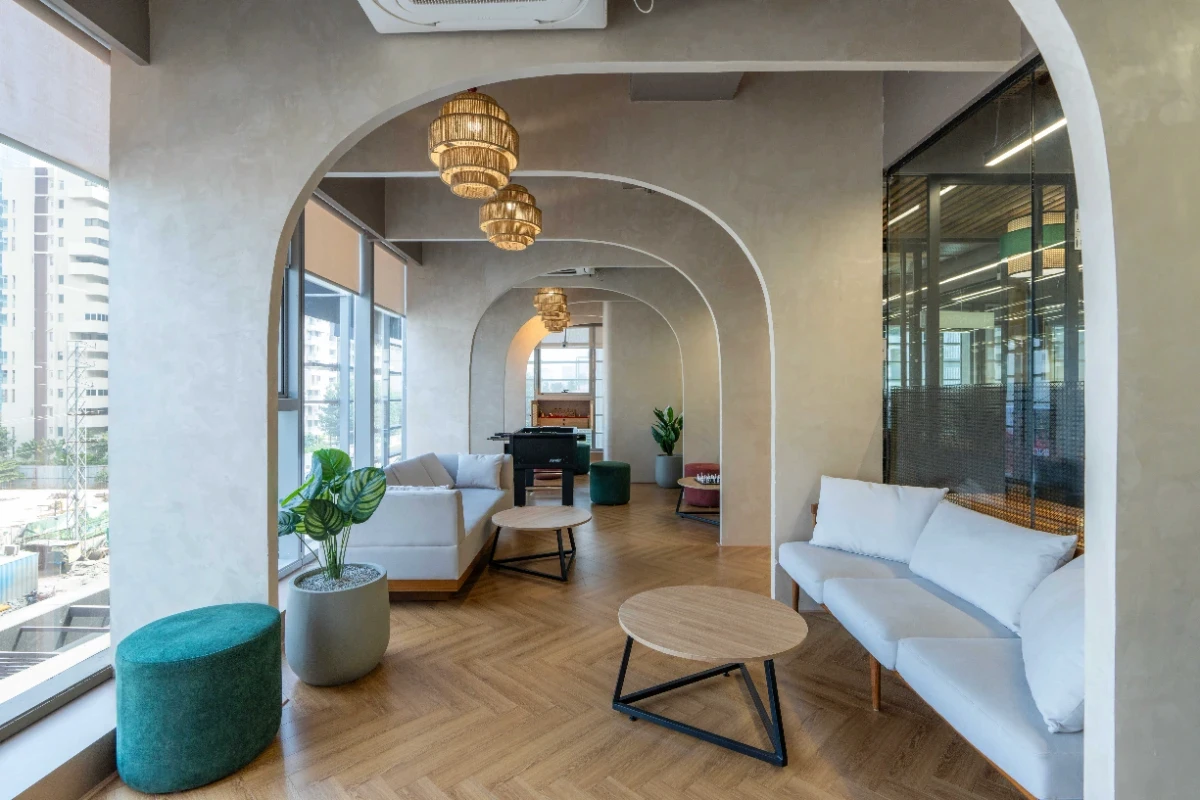
The Problem
You built a breakout area. Comfortable sofas, collaborative tables, maybe bean bags. Looked great in the design presentation.
Three months later? Empty.
Your team still clusters around desks, books meeting rooms for casual chats, or leaves for coffee shops.
Here's why.
The 5 Reasons Breakout Areas Fail
1. Too Exposed
Open visibility sounds collaborative. But nobody wants to brainstorm while the entire office listens.
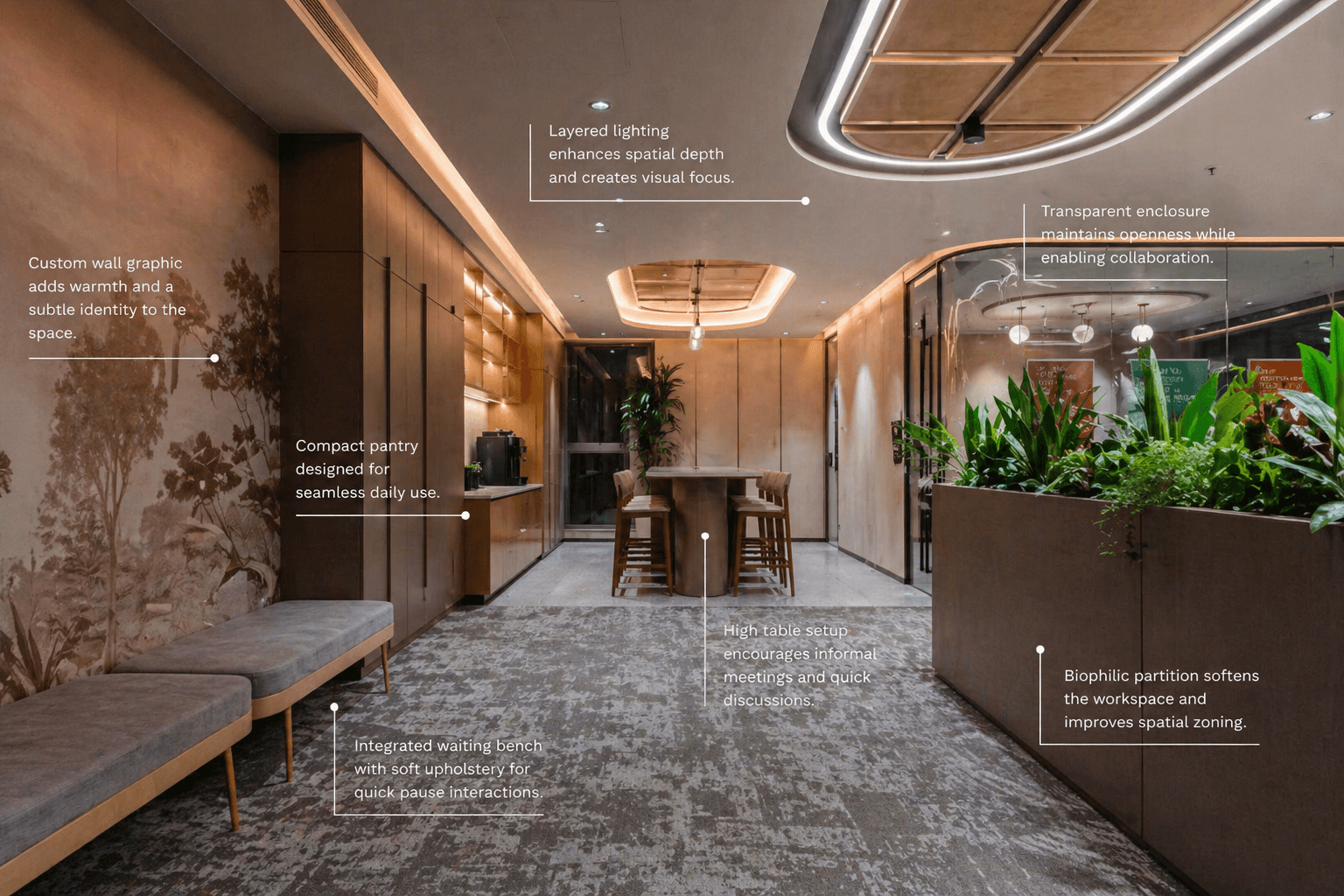
Fix: Semi-privacy. Glass partitions with partial frosting. Half-height walls. Strategic furniture that creates boundaries without isolation.
People need to feel safe having honest conversations.
2. Wrong Location
Placed in leftover space. Far corner. Past the restrooms. Not on the way to anywhere.
Fix: Position on natural circulation paths. Between departments. Near high-traffic areas.
If people pass it ten times daily, they'll use it. If it requires a special trip, they won't.
3. Uncomfortable Furniture
Low sofas look collaborative. But try working on a laptop while sunk into cushions for an hour.
Fix: Match furniture to actual work.
Quick chats: Standing tables, stools
Working sessions: Proper table height, supportive chairs
Casual hangouts: Softer seating
Test: Can someone actually work here for 30+ minutes?
4. No Clear Purpose
Tries to be everything: collaboration space, quiet zone, social area, phone booth.
Result: It's nothing.
Fix: Pick one purpose. Design for it.
For collaboration: Writable surfaces, power outlets, seating for 4-6, good lighting For socializing: Lounge seating, relaxed lighting, no work pressure For focused work: Proper desks, task lighting, acoustic treatment
You can't be all three.
5. Bad Acoustics
Hard surfaces everywhere. Every conversation echoes. People feel like they're disturbing everyone.
Fix: Acoustic treatment.
Panels on walls
Rugs or carpet tiles
Soft furnishings
Ceiling elements
Contain sound so conversations stay private.
Quick Wins for Existing Spaces
Add semi-privacy: Plants, partitions, strategic furniture placement
Improve comfort: Mix proper work chairs with lounge seating
Upgrade acoustics: Rugs, acoustic panels, fabric elements
Add tools: Writable walls, power outlets everywhere, better WiFi
Define purpose: Make it clear what this space is for
The Real Test
Watch for one week. Count usage. Notice what activities happen (or don't).
If people use it for 5-minute chats only: It's a social space, not a work zone
If they use it but complain: Functionality problem (comfort, tech, acoustics)
If nobody uses it at all: Visibility, location, or purpose problem
The Bottom Line
Breakout areas fail when designed as aesthetic additions, not functional workspaces.
They succeed when they solve real problems:
Privacy without booking a room
Collaboration without disturbing neighbors
Different setting for different work modes
Design for the actual problem, not the Instagram photo.
Breakout area not working? Let's identify what's keeping people away.