Aug 23, 2025
Journals
Ergonomic Office Design: The Key to a Healthier, More Productive Workspace
Healthier and productive office space! We all need it
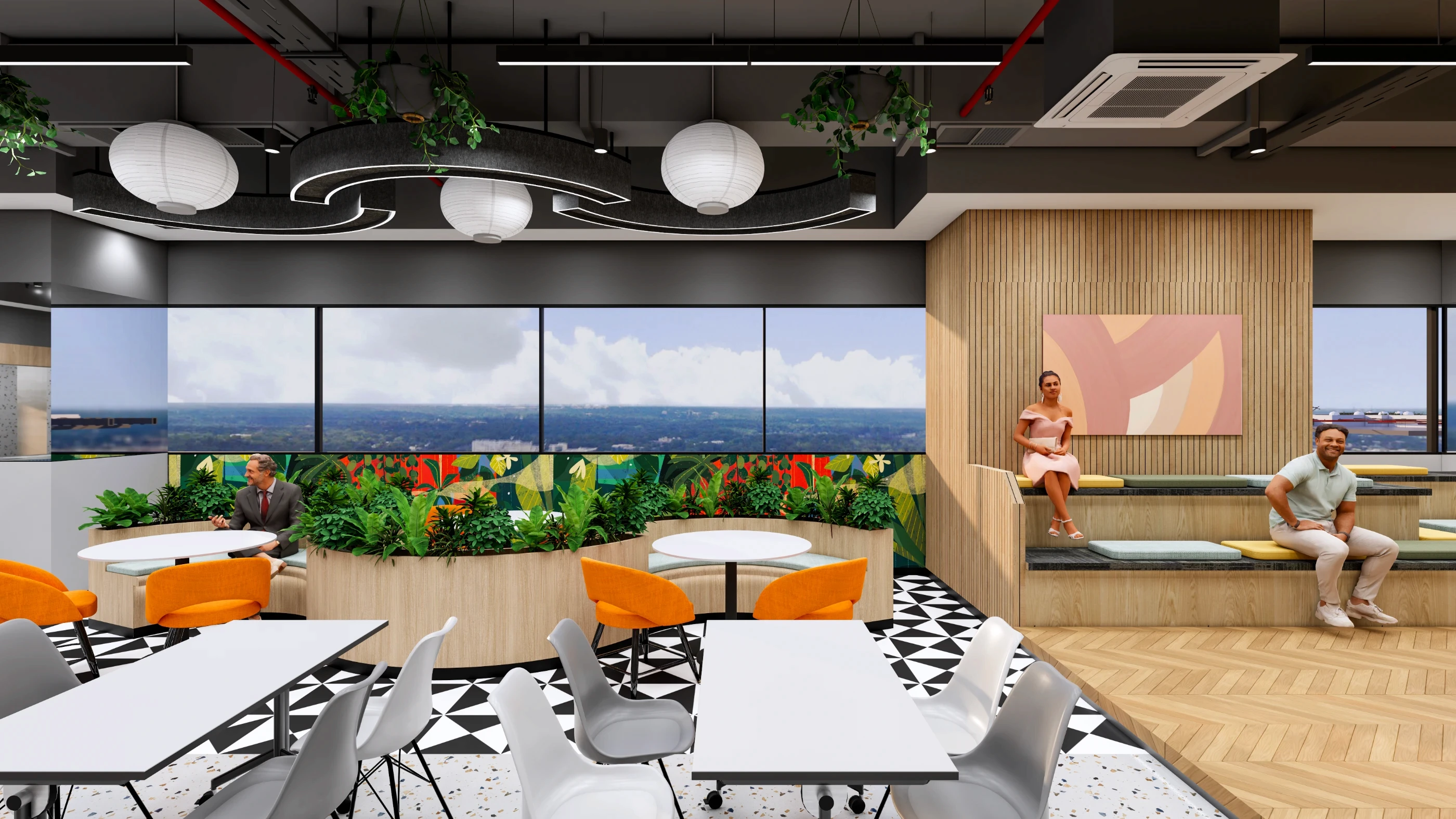
Ergonomic office design is one of the highest-return investments any organization can make. Beyond preventing physical discomfort, a well-considered ergonomic workspace directly improves focus, reduces absenteeism, and enhances employee well-being. This guide covers the essential principles of how to design a healthy, human-centered office.
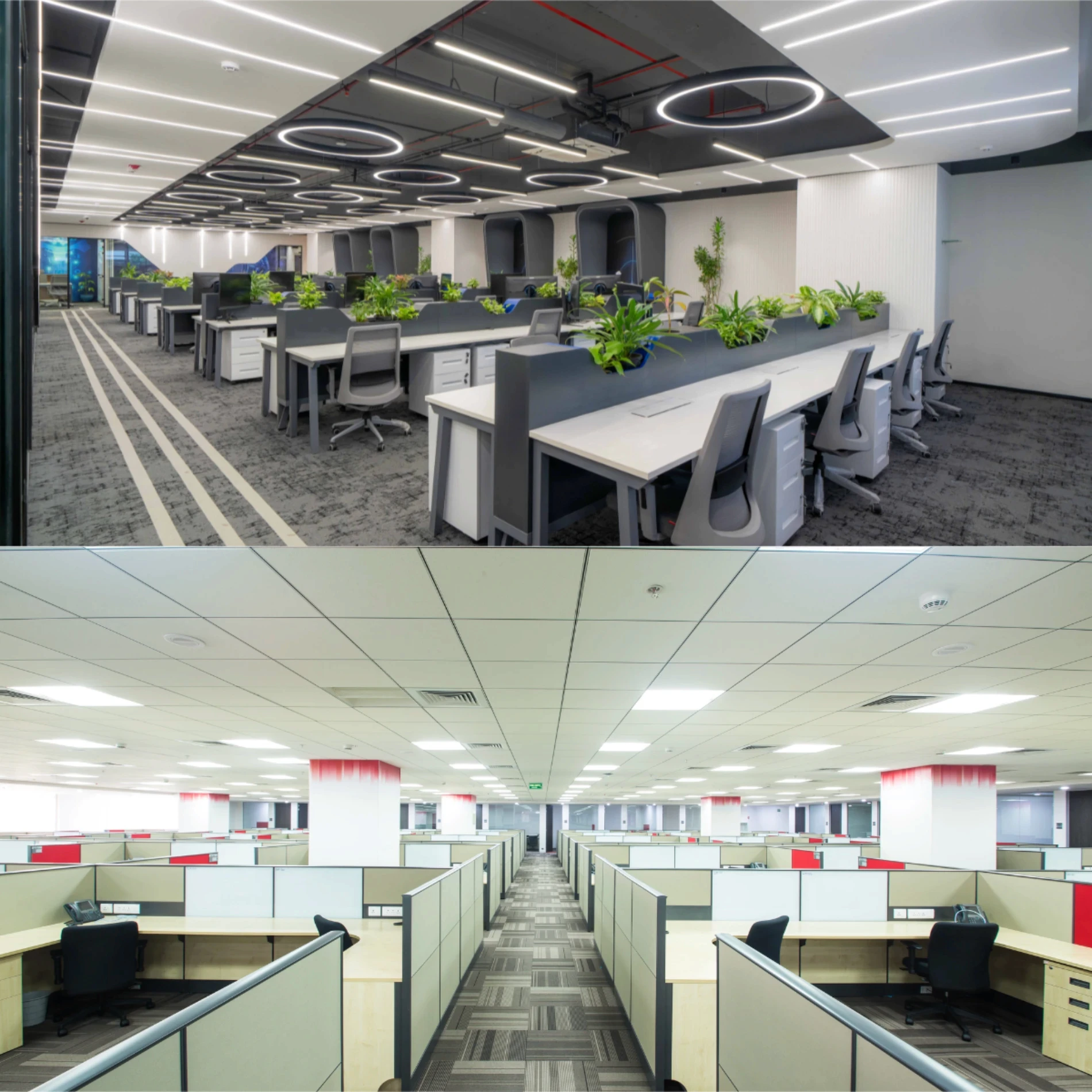
The individual workstation is the starting point for any ergonomic office design strategy. Desks should allow users to maintain a neutral posture — feet flat on the floor, knees at approximately 90 degrees, and screens at eye level. Height-adjustable desks that allow alternation between sitting and standing have become a standard ergonomic workspace recommendation in contemporary commercial design.
Chair selection is one of the most important office ergonomics decisions you will make. A quality ergonomic chair provides lumbar support, adjustable seat height, armrest positioning, and correct seat depth. Investing in professional seating is among the most cost-effective healthy office design decisions an organization can make.
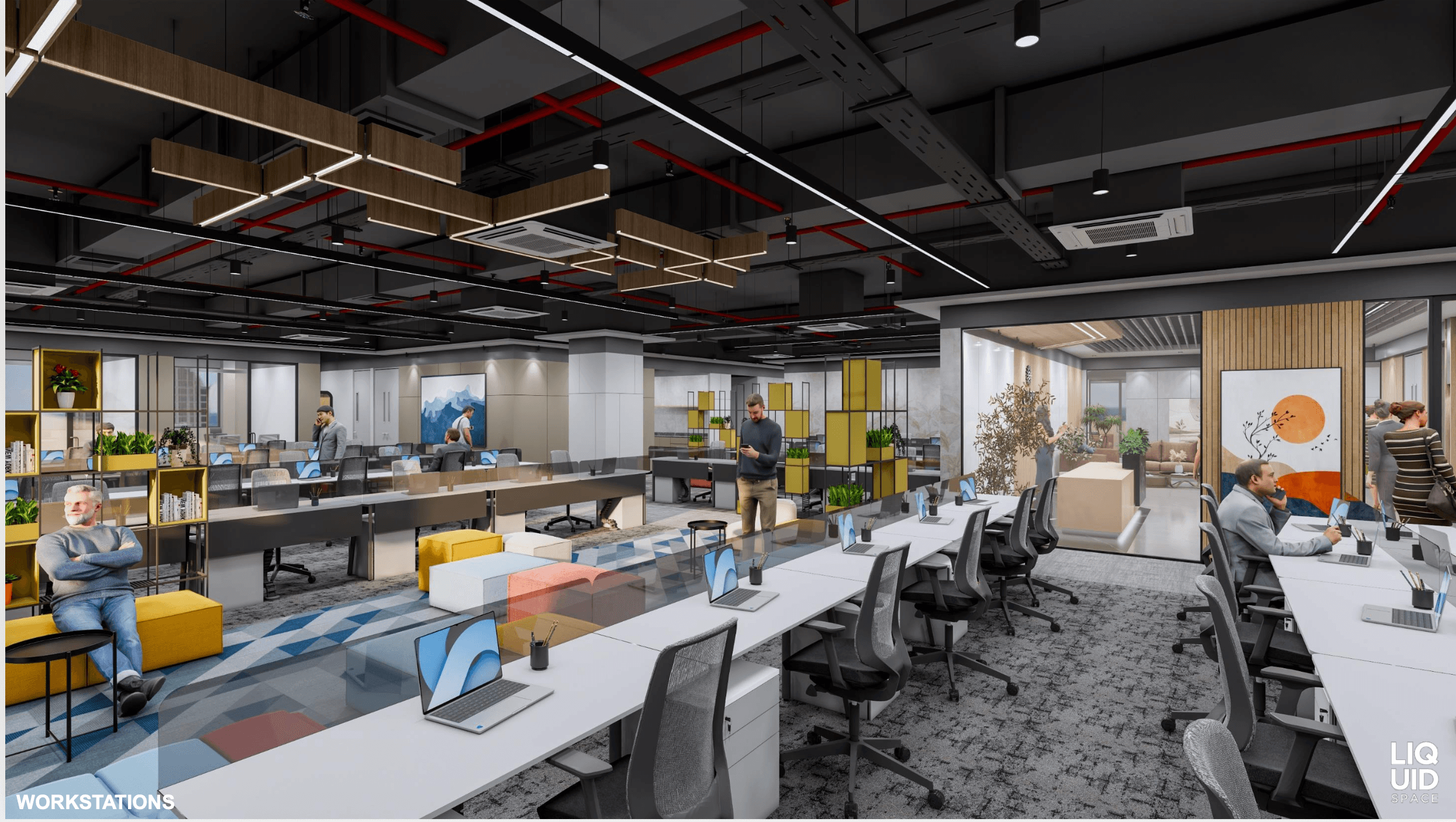
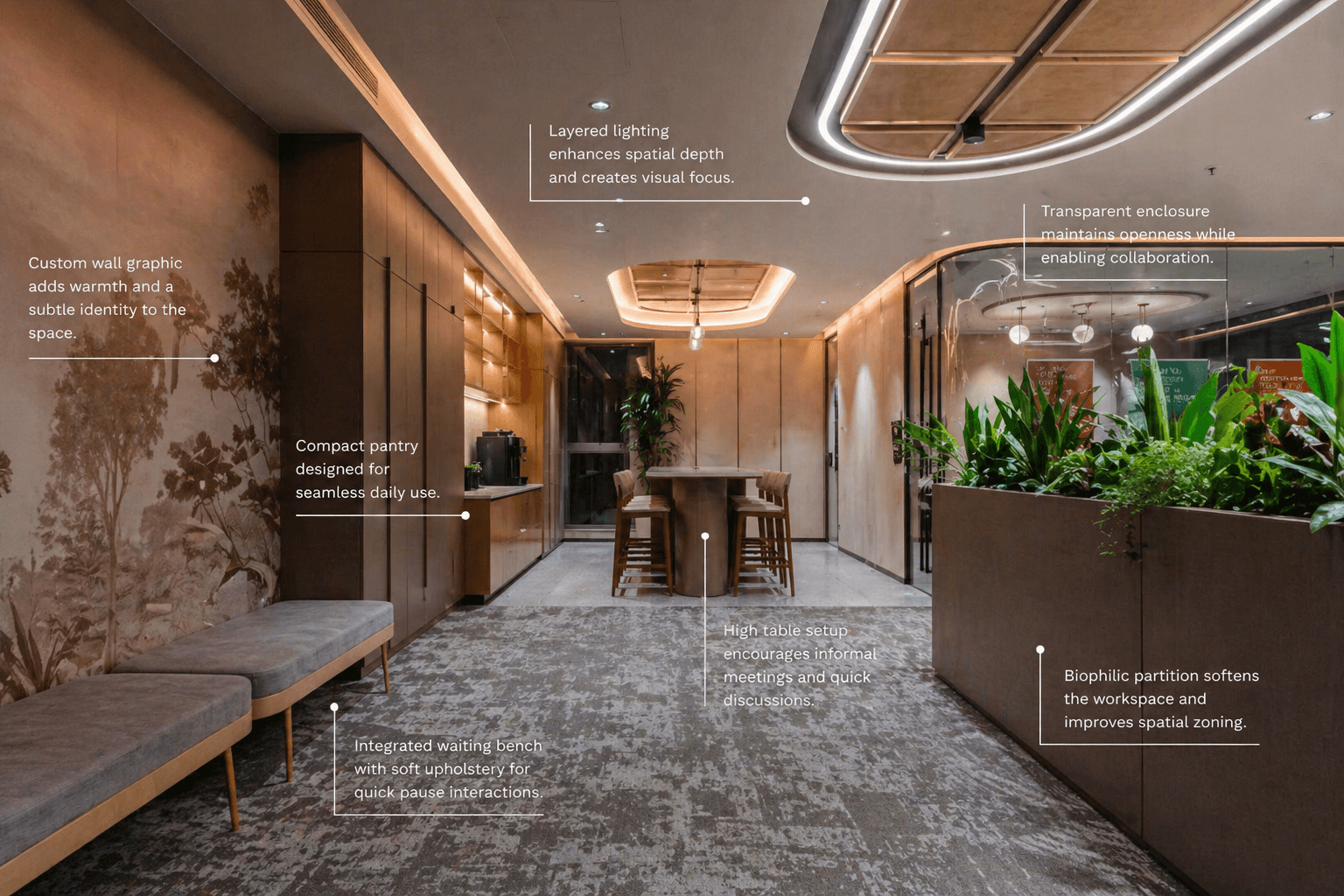
Circulation and movement are critical but frequently overlooked ergonomic workspace ideas. Office design should encourage employees to move throughout the day. Placing amenities , printers, coffee stations, and collaboration zones, at a slight distance from individual workstations promotes incidental movement that benefits both physical health and mental freshness.
Lighting ergonomics is integral to how to design an ergonomic office. Task lights should be adjustable and positioned to eliminate shadows on work surfaces. Monitor brightness must balance with ambient light to avoid eye strain , one of the most common and easiest-to-address office ergonomics issues.
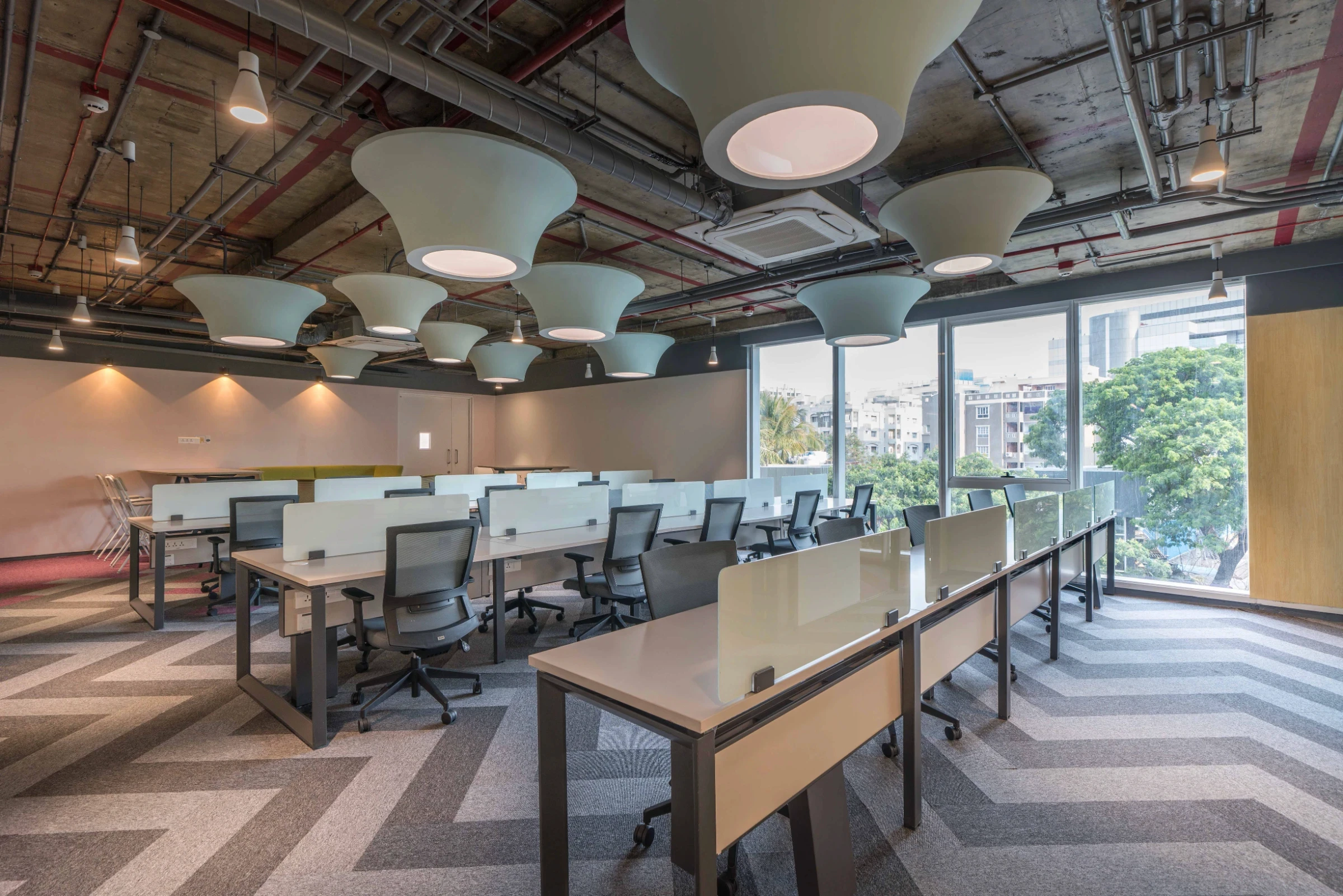
Acoustic ergonomics is an emerging priority in healthy office design. Prolonged exposure to elevated noise levels increases cognitive load, elevates stress hormones, and degrades decision-making quality. Designing for acoustic comfort through material selection, spatial planning, and sound masking is one of the most impactful ergonomic workspace ideas available.